The "Missing" Curriculum
Medical school and residency teach us medicine.
But many of the skills required to succeed in real-world primary care are rarely taught in a structured way.
-
How to build rapport and trust with patients over years of longitudinal care
-
How to navigate difficult patient conversations and challenging encounters
-
How to manage inbox messages, refill requests, and patient portal communications
-
How to complete FMLA forms, disability paperwork, jury duty letters, and other administrative requests
-
How to handle prior authorizations, peer-to-peer reviews, and insurance-related barriers
-
How to make confident clinical decisions when the answer isn't obvious
These are the skills that many clinicians learn only after becoming attending physicians.
My US Ambulatory Medicine Curriculum is designed to bridge that gap by combining evidence-based medicine with the practical realities of outpatient practice in the United States.
Who Is This For?
This curriculum is designed for:
- Internal Medicine and Family Medicine Residents
- New Primary Care Providers (PA/NP/APRN)
- International Medical Graduates (IMGs)
Any Medical Provider that is interested in developing practical outpatient medicine skills
The Curriculum Framework
The US Ambulatory Medicine Curriculum is built around three pillars of successful primary care practice.
Module 1: Communication & Interpersonal Skills
The human side of medicine.
Learn skills that extend beyond medical knowledge.
Topics include:
- Verbal and non-verbal communication
- Relationship Management
- Cross Cultural Communications (For Non-US IMGs)
- Patient-centered care (Handling Difficult conversations such as Breaking Bad News, Advanced Care Planning, Challenging patient encounters)
- Improving patient satisfaction
- Longitudinal relationship building
Status: In Development
Module 2: Medical Topics & Clinical Foundations
The medical side of primary care.
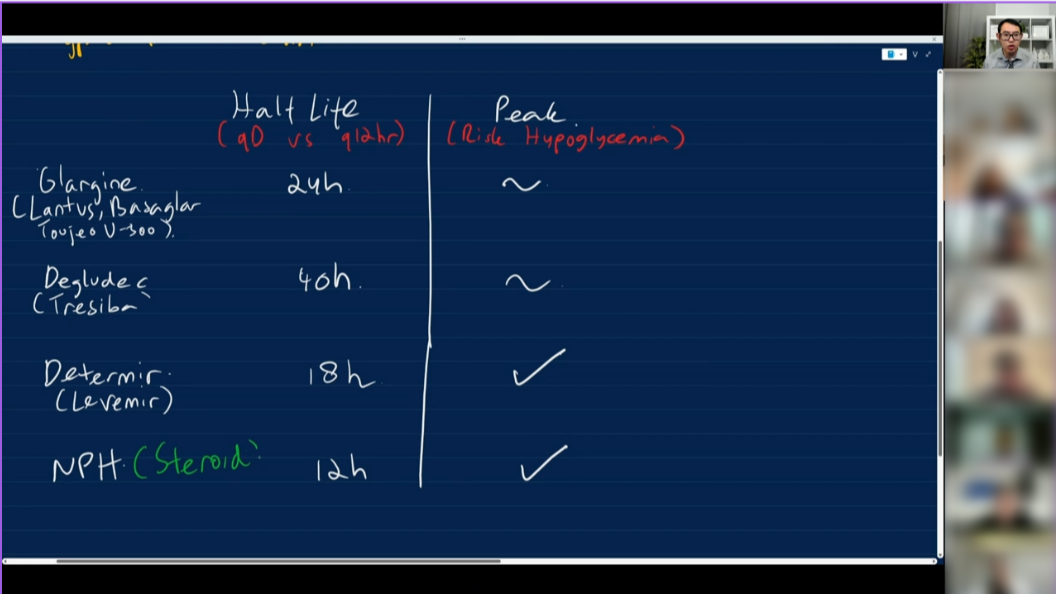
Learn practical outpatient medicine and clinical decision making.
Focus on concepts, rather than memorization
Follow evidence-based guidelines, updated periodically
Topics include:
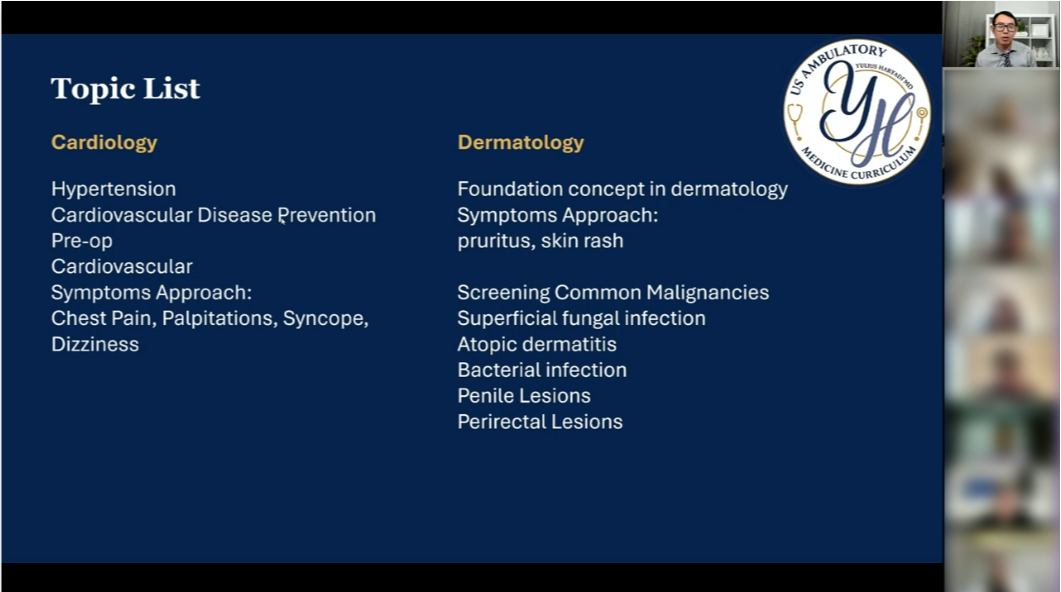
- Core Foundation of Exceptional Primary Care Practice
- Approach to common ambulatory medicine complaints
- Preventive Care: Beyond the Guidelines
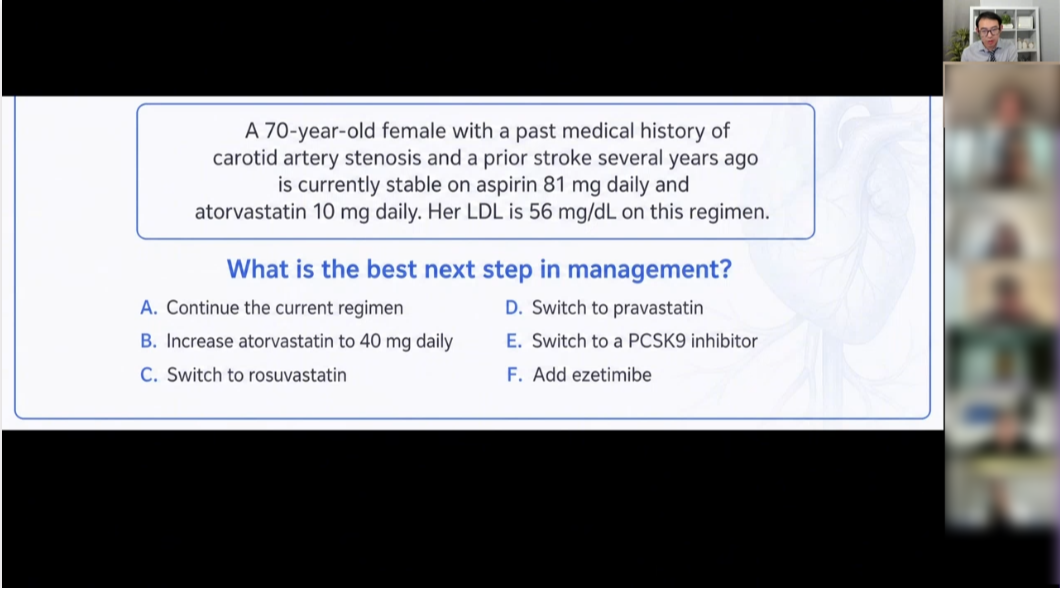
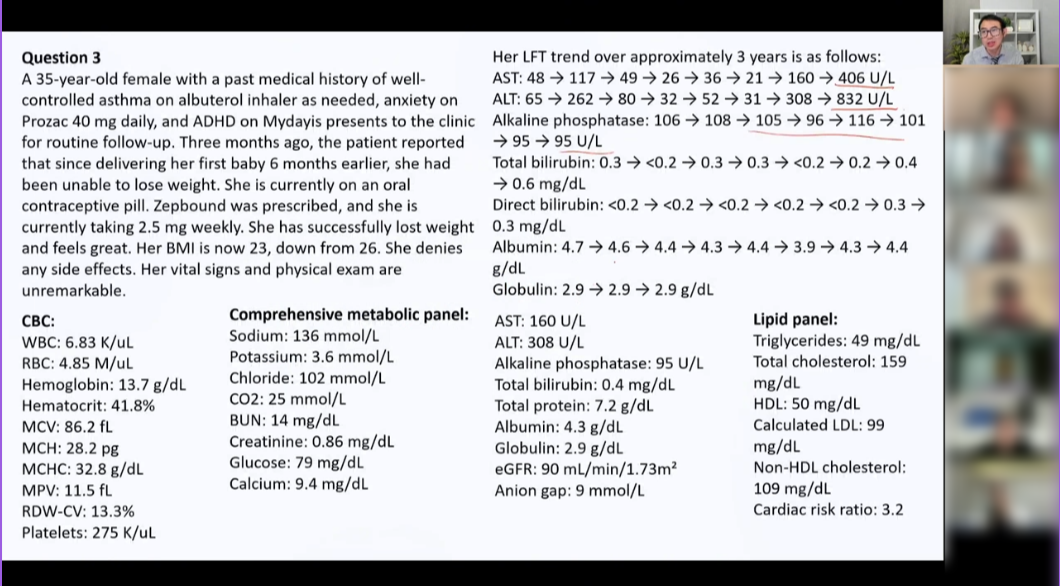
- Case Discussions
- Chronic Diseases Management
Status: Currently Active
Module 3: Administrative Work in Primary Care
The operational side of primary care.
Master the responsibilities that occur when patients are not sitting in front of you.
Topics include:
- Inbox management
- Refill requests
- Patient portal messages
- PDMP review
- FMLA forms
- Disability paperwork
- Jury duty letters
- Health forms
- Coding and Billing
Status: Planned
Current Learning Experience
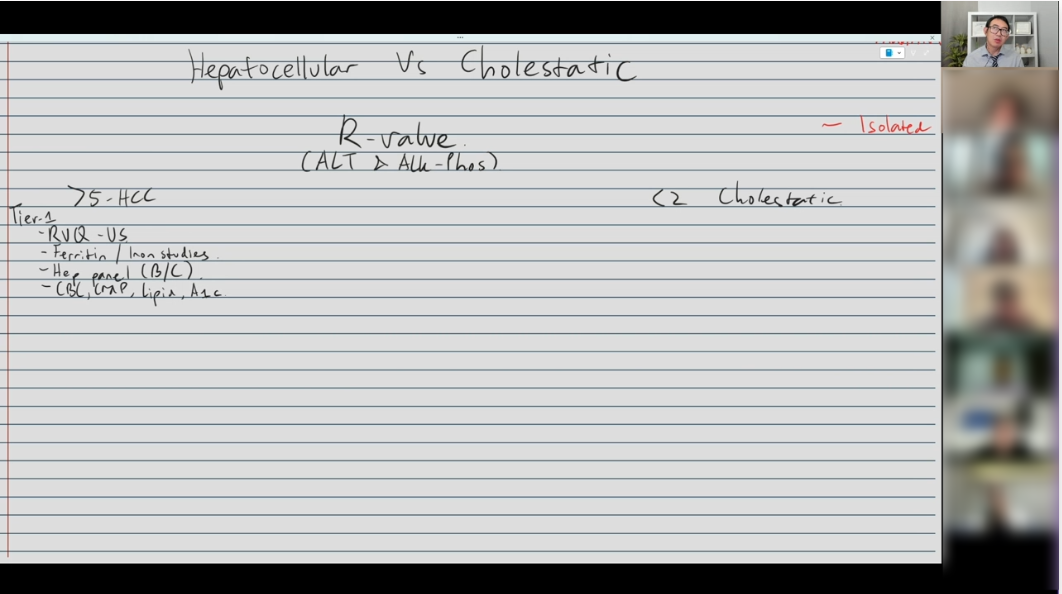
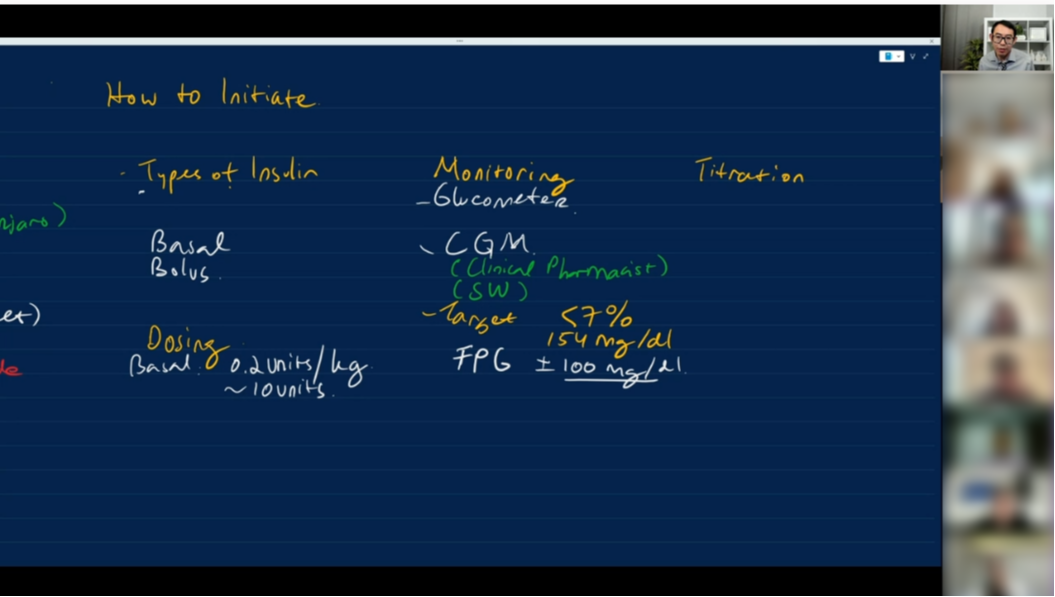
This curriculum is currently being developed through weekly live teaching sessions focused on real-world outpatient medicine.
Each week, we review practical ambulatory cases, discuss clinical decision-making, and explore the challenges clinicians encounter in everyday primary care practice.
Current sessions focus primarily on Module 2 (Medical Topics & Clinical Foundations), while additional content from Modules 1 and 3 will be added as the curriculum continues to grow.
As a founding member, you will receive access to future curriculum updates as they are released.
Founding Member Access
As a Founding Member, you will receive:
✅ Weekly Live Teaching Sessions
✅ Case-Based Ambulatory Medicine Discussions
✅ Session Recordings
✅ Access to All Future Curriculum Updates
✅ Opportunity to Help Shape Future Content
Join the Founding Cohort
This is a practical, real-world curriculum designed to help clinicians think, communicate, and practice more confidently in outpatient medicine.
Join me as we build the next generation of ambulatory medicine education.
Why I Decided to Create My Own Ambulatory Medicine Course
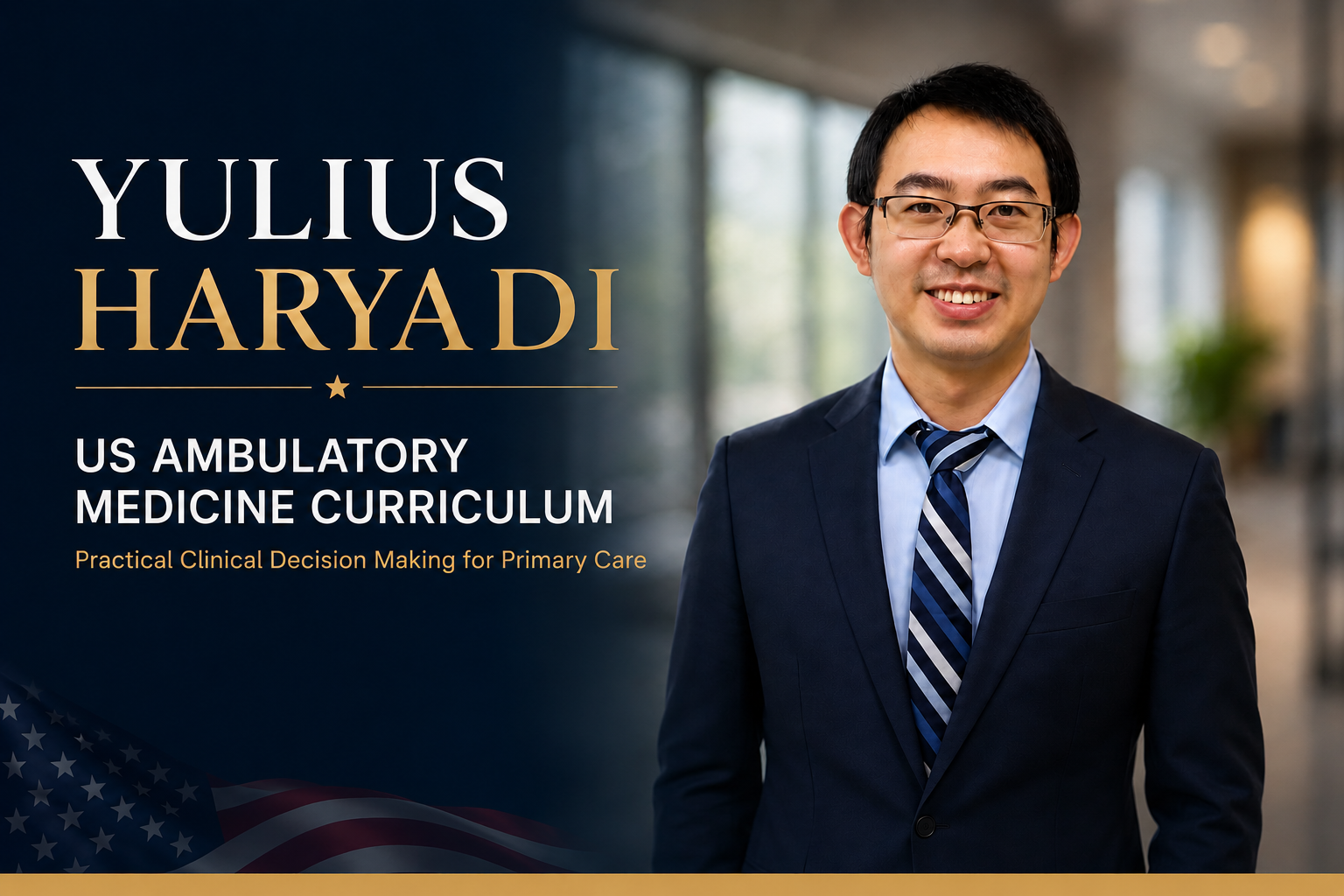
My name is Yulius Haryadi, I am Internal Medicine Physician, currently practicing in Primary Care with 5+ years of experience
After becoming a preceptor for many IMGs/PA/APRN in my office, I noticed there is a gap in primary care education.
Examples:
PA/APRN only have 4-5 weeks of outpatient clinical rotation, then they would need to complete rotation for other specialties.
IM physician who completed fellowship in rheumatology/endocrinology/nephrology, due to J1 waiver process, would need to work as Primary Care Provider, which due to their specialty, has a gap in their primary care knowledge.
IM residents whose programs focused more on hospital medicine but ended up unable to get hospitalist job, again due to J1 waiver process ( I am one of them, though I ended up enjoying being PCP way more than hospital medicine)
Even in residency programs, there are things that they don’t really teach you: handling in-basket, difficult patients (attending usually would be the one that handle it), filling out paperworks that only PCP do (letter for work, Jury Duty, FMLA, Disability Forms, any many more)
This somehow made people reluctant to practice in primary care, but honestly, the lifestyle of being primary care physician in US is AMAZING. All of my IMG students have seen my stress-free lifestyle, I have a lot of time to enjoy with my family like, taking my kids to piano/gym lessons. I am always there for them.
In addition, in my humble opinion, practicing as primary care provider creates the most meaningful health impact in your community, because it prevents awful things from happening. You are truly saving lifes without you even realizing it. The beauty of primary care is that the reward happens when nothing happens(no sick visit, no hospitalization).
The course designed to fill those gaps and hopefully more medical providers becoming confident, comfortable, and enjoy practicing as primary care doctors.